Most visitors to a sand dune system walk straight over the ridge and down to the beach. The part worth slowing down for is usually behind them: a shallow, uneven hollow that squelches underfoot in February and dries to a close-cropped green carpet by July. That hollow is a dune slack, and it is one of the rarest habitats in the UK.
Slacks occupy a small fraction of any dune system, and many of the best examples sit inside Sites of Special Scientific Interest and Special Areas of Conservation. They are also easy to damage by accident. One drainage ditch, one dropped water table, a few decades without grazing, and a slack turns quietly into willow scrub.
What counts as a dune slack
A slack is a low point between dune ridges where the ground surface dips down to meet the water table. Not every hollow qualifies. If the floor of a dip stays above the reach of the water table, it is dry dune grassland or a blowout floor, not a slack. The difference matters, because the two support quite different plants.
The water table under a dune system is a lens of fresh rainwater floating on denser, saline groundwater. It rises and falls through the year, generally high in winter and lower in late summer. A slack sits where that water table intersects the sand surface, which is why the same spot can be ankle-deep in January and bone dry in August. That seasonal swing is not a flaw. It is the mechanism that keeps the habitat open.
Slack chemistry shifts as the sand ages. On young, shell-rich sand the water is base-rich and lime-loving plants thrive. Over centuries, rain leaches the calcium carbonate away and the surface builds up with organic matter, so the plant community gradually becomes more acidic. Both versions are valuable, and they are simply different stages of the same process.
How slacks form, and why they keep disappearing
Most slacks begin as blowouts: patches of sand that wind hollows out down to the water table. Others form in the trough behind the foredunes, or where the sea has planed back the edge of a dune system and exposed wet sand. In every case the starting point is bare, damp ground with no competition.
From there, succession does the rest. Algae and mosses bind the surface. Rushes, sedges and marsh orchids move in. Creeping willow and then larger willows follow, building soil, raising the ground level and drawing the surface away from the water table. Left alone, a slack becomes dune scrub and eventually dune woodland, and its specialist species have nowhere left to go.
That is the central problem. A slack is a temporary feature on a landscape that wants to cover it over. Keeping one alive means interrupting succession, whether by grazing, by storm-driven sand movement, or by deliberate intervention.
The species you will not find elsewhere
Because slacks are wet, base-rich and periodically disturbed, they hold species that struggle almost everywhere else. A single slack can carry several of the following:
- Natterjack toad. Breeds in shallow, warm pools that dry out in summer, which means no fish to eat the tadpoles. The males call at dusk in spring, a rasping sound that carries a long way. UK populations are coastal and concentrated around Merseyside, Cumbria, the Solway, north Norfolk and north Wales.
- Marsh helleborine and early marsh-orchid. Lime-loving orchids of wet, open ground, often the clearest signal that a hollow is a genuine slack.
- Fen orchid. A small, green-flowered orchid that has lost most of its former range and now hangs on at a handful of dune sites.
- Petalwort. A rare thalloid liverwort that grows on bare, damp sand and disappears as soon as vegetation closes over it.
- Creeping willow, variegated horsetail and sharp rush. Characteristic plants of the wetter zones, each with its own preference for how wet and how limey the ground is.
- Bare-sand invertebrates. Tiger beetles and other predatory insects hunt across open, damp sand at the slack edge, where nothing shades them.
The pattern is consistent: these species need wet ground and low, open vegetation. Take away either one and the list collapses.
Water is the whole story
Ask what a slack needs and the honest answer is a stable, high water table. Everything else follows from that. When groundwater drops, even by a modest amount, a slack dries out earlier each summer, the specialists fail to set seed or complete their life cycles, and coarser grasses and scrub move in.
Groundwater in a dune system is fed almost entirely by rainfall on the dunes themselves. That makes the recharge area as important as the slack. Housing, quarrying, caravan parks, tree planting and drainage on the dry dunes can all reduce how much water reaches the lens below. Water abstraction further inland can pull the whole table down. Old drainage ditches cut to dry land for forestry or agriculture still do their job decades after they were dug.
The pressures stacking up
Coastal squeeze is the hardest to solve. As sea levels rise, a dune system would naturally migrate inland, but sea walls, roads and built development block the retreat, so the dunes and their slacks are squeezed against a hard edge. At the same time, reduced grazing and falling rabbit numbers after disease outbreaks have allowed scrub to spread across slacks that were open a generation ago. Nitrogen deposition from the air and nutrient enrichment from dog fouling or car parks tip the balance further towards rank grasses.
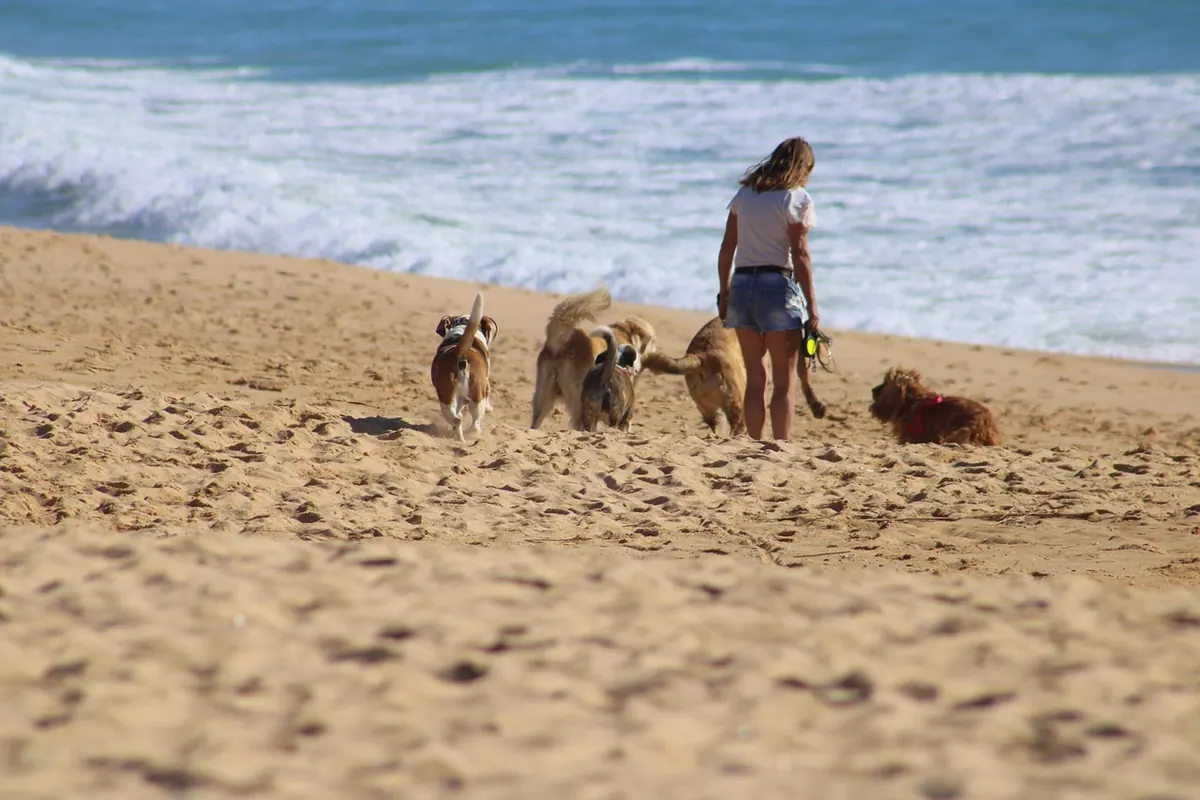
Recreation adds local pressure. Wet slacks attract people and dogs, and a pool that is trampled in spring loses the eggs and tadpoles it was holding.
What good conservation looks like
Managing slacks is a mixture of patience and disruption. In practice the work tends to follow a familiar sequence:
- Protect the water. Remove or block redundant drains, keep abstraction under review, and avoid planting trees on the dunes that feed the lens.
- Keep vegetation low. Graze with cattle, ponies or sheep where the site allows it, or cut and remove vegetation late in the season.
- Reset the clock. Where a slack has dried and greened over, strip turf or scrape back to bare sand. Creating new slacks by excavating down to the water table is now standard practice on several large dune systems.
- Control scrub and invasives. Cut willow and remove sea buckthorn before it takes hold; both are far easier to deal with young.
- Manage access. Boardwalks and marked routes keep feet and paws out of the wettest, most fragile ground without shutting people out.
- Monitor. Record water levels, vegetation height and breeding success, so you can tell whether management is working or whether the table is slipping.
If you visit a slack
You do not need permission to help. Stay on the boardwalk or the main paths, especially between March and June when natterjack toads are breeding, and keep dogs out of the pools entirely during that window. Do not pick orchids or dig up plants, and never release fish, terrapins or garden pond plants into a dune pool — a slack survives precisely because it has no fish in it.
If you notice a slack that has dried out, a new drainage ditch or a sudden spread of scrub, tell the land manager. That is usually the local Wildlife Trust, the National Trust, Natural England, Natural Resources Wales or the council. And if you want to do more than report, volunteer with a local dune conservation group: practical tasks such as scrub bashing, rake-and-remove mowing and building boardwalks are genuinely useful. Check with the site owner first, and follow their guidance on ground-nesting birds and sensitive plants.
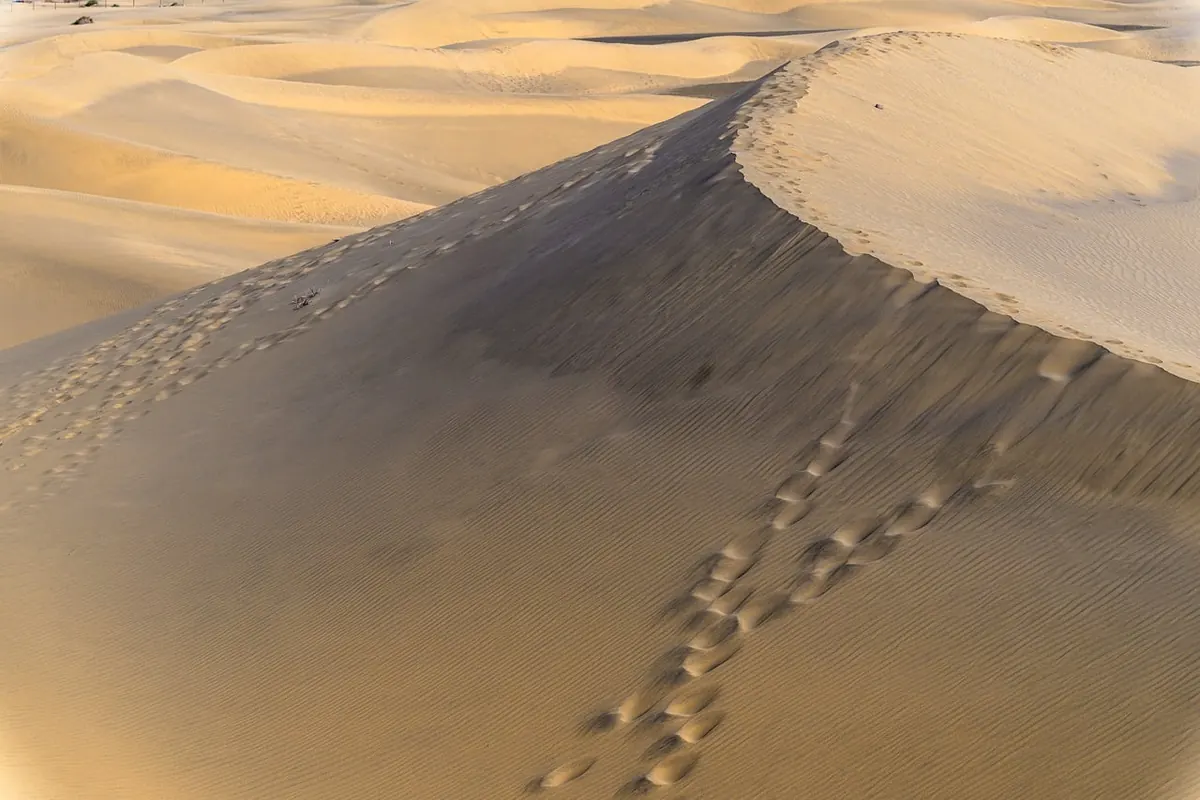
Photo: BernhardJaeck / Pixabay