A beach clean is one of the easiest good deeds on the coast to organise. Two hours, a few bin bags, a lot of goodwill. But the ground behind the tideline — the foredunes, the marram, the damp hollows further back — is among the most fragile habitat in Britain. Get it wrong and a hundred pairs of boots can do quiet, lasting damage in an afternoon. Get it right and your group clears the rubbish that genuinely harms wildlife while leaving everything else undisturbed. Here is how to plan one that does both.
Start With the Habitat, Not the Bin Bags
Walk the site before you set a date. Dune systems come in layers, and each behaves differently underfoot. At the top of the beach sits the strandline: the dark tangle of weed, driftwood and whelk egg cases that looks like debris and is not. It is food and shelter for sandhoppers, flies and beetles, and in turn for the birds that feed on them. Behind it, the foredunes are held together by marram grass, which dies back where it is trampled often enough. Further inland are the older dunes and the slacks — damp hollows that support some of our rarest plants and amphibians.
Ask a local wildlife trust, council ranger or site warden what lives there, and when. Ringed plovers and oystercatchers nest on open sand, sometimes well outside the fenced areas people assume are the only sensitive zones. Skylarks and meadow pipits nest in rough grass. Depending on where you are, sand lizards, natterjack toads, orchids, mosses and lichens may all be present. Most of that activity runs from spring into late summer, which is precisely when a clean-up is most likely to interrupt it.
Pick a Date and a Stretch of Beach That Can Take It
Late autumn and winter are usually the safer window for a large event, once nesting is over and the vegetation has died back, but check locally — timings vary with latitude and species. Avoid the hottest days, when volunteers tire quickly, and plan around the tide. Two hours either side of high water on a falling tide gives you a cleanable strip without anyone being cut off.
Be honest about scale. Three hundred metres cleaned properly beats a ragged attempt at a whole bay. Point your volunteers at the open beach, the tideline and the car park, and leave the vegetated dunes out of the plan altogether. If a storm has just dumped a fresh strandline, wait a few days and work above it, or you will be removing a food source that has only just arrived.
Sort Permissions, Insurance and Local Partners
Find out who owns the land. It might be the council, the National Trust, a wildlife trust, a private estate or the Ministry of Defence, and each will have its own rules. If the site is a Site of Special Scientific Interest or sits within a protected area, there may be restrictions on what you can do and when, so settle that before you advertise anything.
Ask about insurance as well. Some established clean-up programmes provide public liability cover for registered events; if yours does not, your group will need its own. Sort out a first aid kit, someone trained to use it, and a way to call for help that does not depend on a mobile signal — coastal coverage is patchy, and the coastguard can be reached on 999 or VHF channel 16. Tell someone at home where you are going and when you expect to be back. For anything beyond the basics, take proper advice from the landowner, your insurer and the relevant safety body rather than guessing.
Brief Everyone Before the First Litter Picker Comes Out
Ten minutes in a circle before anyone wanders off prevents most problems. Cover all of this:
- Stay off the dunes. Work from firm sand and the tideline. Keep to existing paths and cross vegetated ground only if you must, in single file.
- Spread out. Pairs working a few metres apart cover more ground and disturb less than a crowd in one line.
- Gloves and closed shoes, always. Use pickers rather than fingers — you cannot see what lies under a clump of weed.
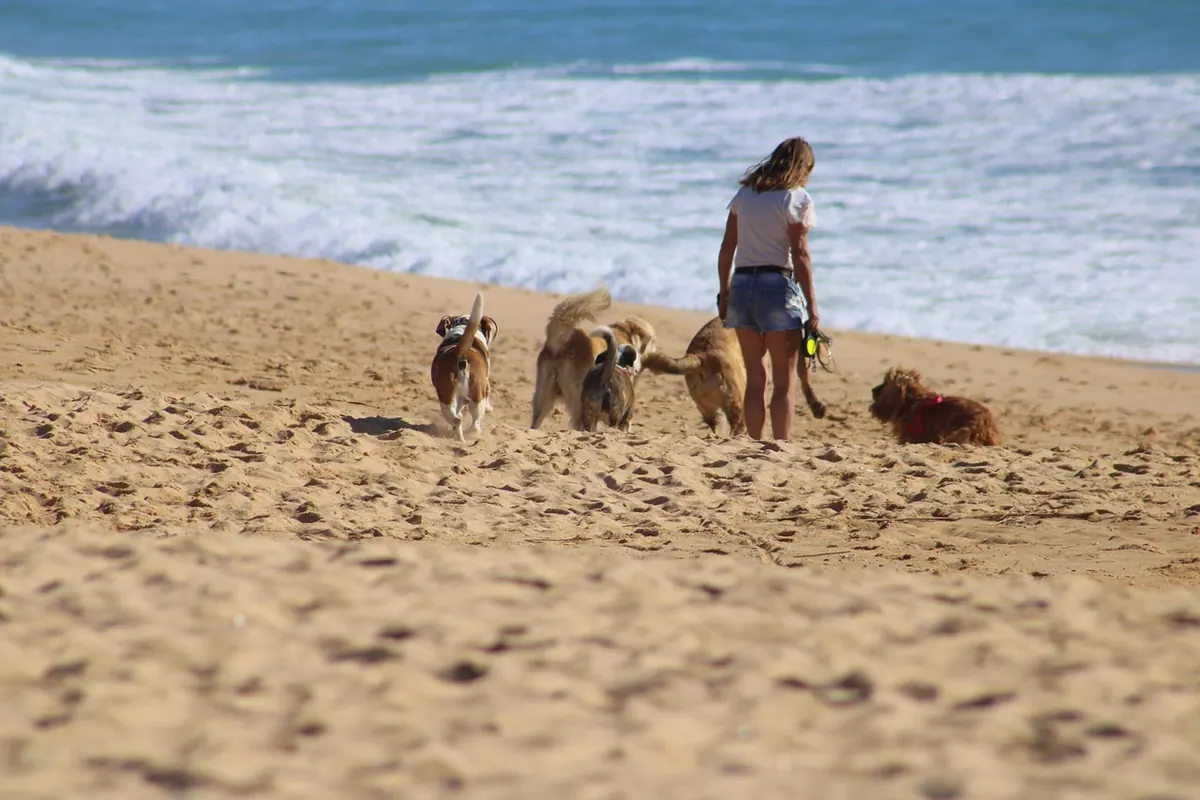
- Leave dogs at home, or keep them on a short lead. A loose dog is the quickest way to put a ground-nesting bird off its nest.
- Do not reorganise the beach. Seaweed, driftwood and shells go back roughly where they were.
- Never approach seals, birds or anything that looks unwell. Back away quietly and tell the organiser.
- Know the meeting point, the finish time and where the full bags are going.
- Report anything odd — needles, canisters, drums, dead animals — instead of handling it.
What to Collect, and What to Leave Behind
Two categories, and be strict about them both.
Collect: fishing line, netting and hooks; balloon remnants and ribbons; plastic bottles, caps and wrappers; nurdles; polystyrene fragments; cigarette stubs; cans, glass and scrap metal; cotton bud sticks and other sewage-related debris.
Leave: seaweed, driftwood, whelk egg cases, cuttlefish bones, mermaid's purses and empty shells. These are habitat, not litter. If something has clearly been colonised — a bottle crusted with barnacles, a length of rope with weed growing through it — you can still take it, but lift it gently and shake any creatures back onto the sand.
Sharps, Wildlife and Awkward Finds
Needles and sharps
Do not touch them. Mark the spot, keep other people away and tell the organiser, who should contact the council's cleansing team or the landowner. A needle should never go into a bin bag. The same applies to chemical drums, gas canisters and anything that might be ordnance: stop, back off, report.
Injured or resting wildlife
Keep your distance and keep everyone else's, dogs included. A seal on the sand is usually resting, not stranded; call British Divers Marine Life Rescue. For injured birds and other wildlife, ring the RSPCA or, in Scotland, the Scottish SPCA, or your local wildlife trust. Do not feed anything, do not pour water over it, and do not try to move it. Note the exact location — a dropped pin or a grid reference is worth far more than a description.
Record It, Report It, and Come Back
Weigh or count what you collect, and note anything unusual along with where you found it. Data submitted to a national scheme such as the Marine Conservation Society's Beachwatch helps track litter trends, while a short report to the landowner helps them act on hotspots. Thank your volunteers properly; tea and biscuits in the car park is a tradition for a reason.
Then keep going, but think smaller. Twenty people clearing the same stretch four times a year will do more for the coast than three hundred people once, and the dunes will barely notice them. Same route, same rules, same care: wildlife adapts to a quiet, predictable presence, and your group gets very good at finding things. That is what a clean-up looks like when it is done properly.
Photo: inonoyazy / Pixabay