Walk a dune system in early March and it can look as though something has gone badly wrong. The foredune is sliced into a near-vertical scarp, marram tussocks dangle over the edge, and dark bands of old soil sit exposed where clean sand used to be. It is easy to read that as damage. Often, it is simply winter doing what winter does.
Dunes are built by sand moving landward and trimmed back by storms. Both halves of that sentence matter. Understanding which one you are looking at — and when to step back rather than step in — is most of what good dune conservation involves.
What a winter storm actually does
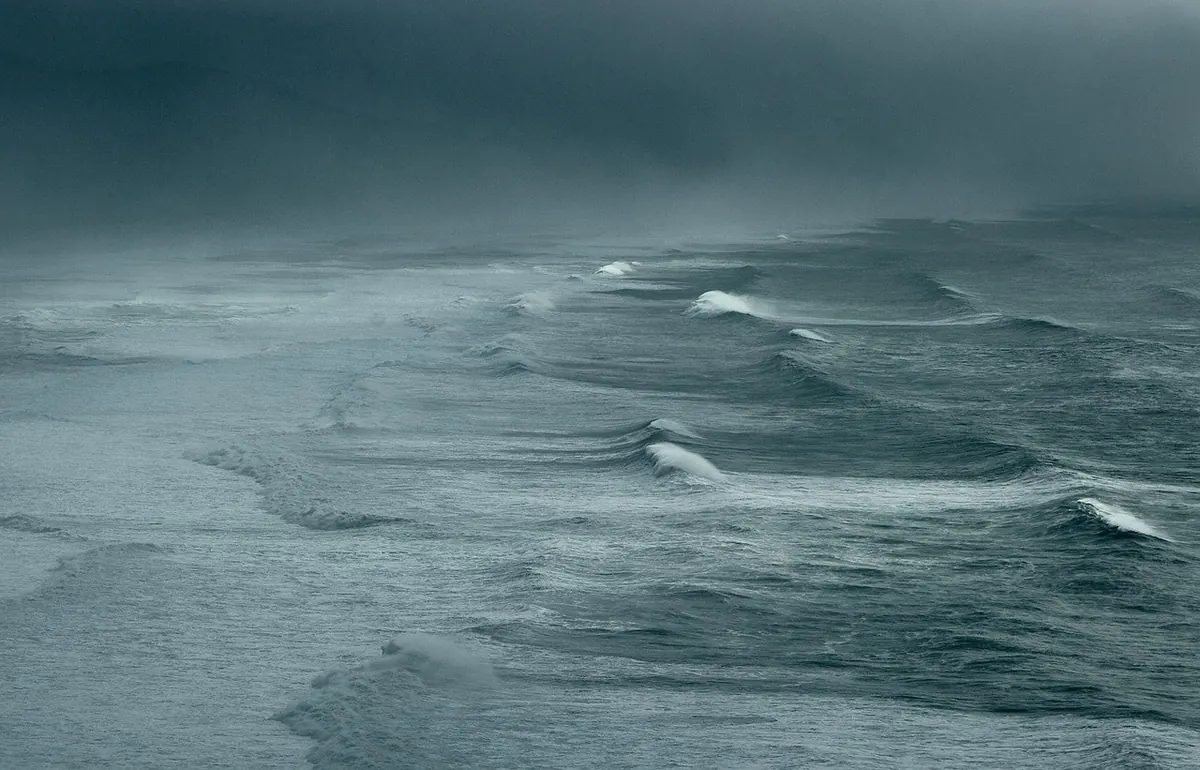
A deep low-pressure system brings three things at once: a storm surge that lifts the water level, big waves that reach further up the beach, and strong onshore winds. Where the beach is narrow or the tide is high, waves reach the toe of the foredune and start removing sand from it.
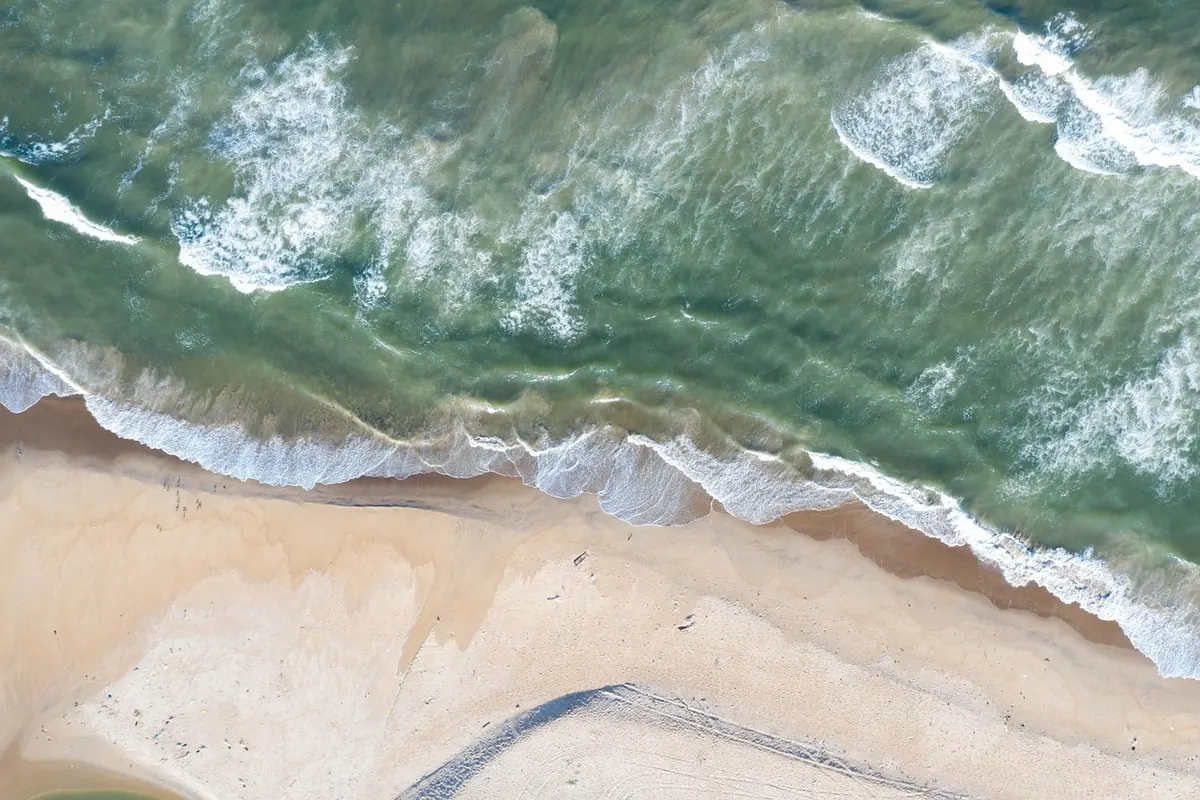
Most of that sand is not lost. It is carried offshore into submerged bars, which is why beaches often look stripped in January and wider by June. The rest is rearranged on land:
- Scarping. The sea cuts a vertical face into the dune front. Tussocks are undercut and slump onto the beach.
- Overwashing. Where the dune is low, water pushes over the top, spreading sand inland and flattening the profile.
- Blowouts. Wind gets to work on dry, bare sand after the storm, scooping hollows where vegetation has been broken or buried.
- New sand. Storms also build. A wide beach and a slightly oblique swell can leave a gentle ramp of sand against the dune toe — the beginnings of next year's dune.
Erosion and accretion are the same system
It helps to stop thinking of erosion as the enemy. A dune that never erodes cannot move landward, and landward movement is how dune systems survive rising sea levels. The question is not whether sand moves, but whether there is enough sand in the system to replace what a storm takes.
Reading the shore after a big sea
A few minutes of looking tells you a lot. A clean, fresh scarp with sand dribbling down its face means recent erosion. A dune toe with a shallow, sloping apron of loose sand means the last movement was deposition. Dark layers in the scarp are old soil horizons and buried surfaces — a record of the dune's history, not a sign of catastrophe.
Look for the strandline, the line of seaweed and debris marking the highest reach of the tide. Above it, on the upper beach, check for small mounds forming around sand couch, sea sandwort or lyme grass. Those are embryo dunes: the first stage of recovery, and the part of the beach most easily destroyed by feet, tyres and rakes.
If you want to track a site properly, take a photograph from the same spot each month, with something recognisable in the frame. Note where the scarp is in relation to a fixed feature such as a path end or a marker post. Do not install your own posts or markers on a protected site without permission — ask the land manager first.
How natural recovery works — and how long it takes
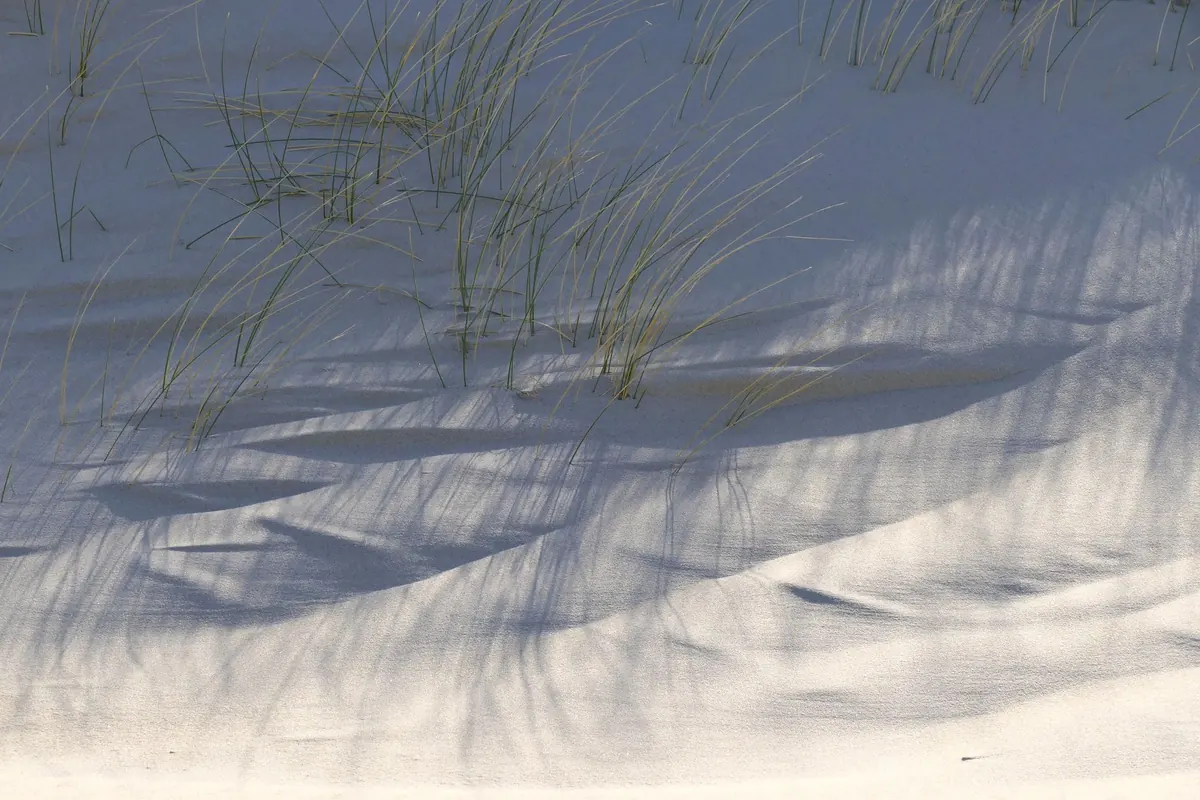
Recovery starts offshore. Gentle summer swells push the bar material back onto the beach. Wind then moves dry sand up the profile, and embryo dunes begin to trap it. Sand couch and sea sandwort tolerate burial; marram grass does it better still, growing up through fresh sand and knitting the surface together with roots and rhizomes.
Timescales vary enormously, and no honest guide can promise a date. A small scarp can soften within a single season. A deep blowout may take years to decades to fill, especially on a coast where sediment is scarce. Some changes never reverse, and the dune simply establishes a new profile further inland.
The dune does not need to return to where it was. It needs the space and the sand to keep adapting.
When recovery stalls
Natural repair depends on a supply of sand and a break between storms. Both can be interrupted. Sea walls, harbour works and dredging can cut off the sediment that would otherwise feed the beach. Repeated winter storms arriving before summer recovery has done its work leave the dune running a deficit.
Human activity matters too. Mechanical raking removes the strandline and the seeds it carries. Vehicles churn up embryo dunes. Heavy footfall on a bare blowout edge keeps sand moving when it would otherwise settle. Dense scrub and tree cover can also be a problem on sites where the dune needs to move — although that is a judgement for the site's managers, not a blanket rule for every dune.
How to help without interfering
The most useful thing most of us can do is remarkably modest: observe, report, and keep our feet off the fragile bits. Well-meant repairs usually cause more trouble than the erosion they address.
- Stay off the scarp, the blowout edges and the embryo dunes. Use boardwalks and marked paths, even when the direct route looks tempting.
- Do not build defences. Sandbag walls, fences, rock armour and random planting all change how waves and wind behave, often shifting the problem along the coast. Anything structural needs consent, so talk to the land manager or the relevant regulator instead.
- Leave the strandline alone. It is habitat, a seed source and food for invertebrates and the birds that feed on them.
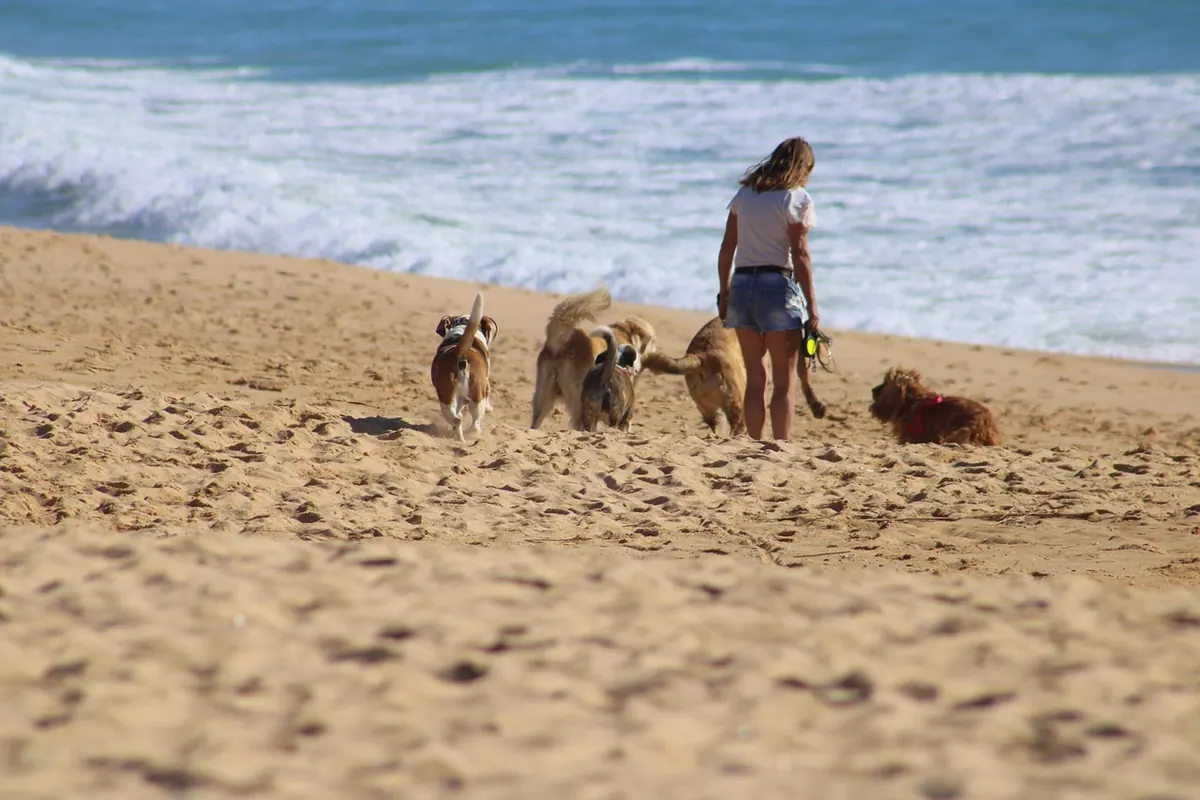
- Keep dogs close and out of fenced areas. Enclosures usually protect nesting birds or new planting, and both are easily ruined.
- Report, don't repair. Send photographs with a location and date to the site manager, the local authority or the wildlife trust that looks after the site. Early reports of erosion threatening a path or car park give managers far more options.
- Volunteer through organised days. Monitored planting of locally sourced native species, litter picks and path work all help. Turn up with the group that manages the site rather than starting your own project.
- Handle litter with care. Gloves on, sharps and medical waste reported rather than picked up, and dead animals left for the local authority to deal with. If you are unsure, report it.
A simple seasonal routine
After each significant storm, walk the same stretch and note two things: where the dune face now sits, and whether embryo dunes are forming above the strandline. Repeat in late spring and again in midsummer. Over a couple of years you will have a far better sense of your local dune's rhythm than any single visit can give you.
Then leave it be. Winter takes sand; summer brings it back; plants do the rebuilding. Your role is to notice what is happening, tell the people who manage the site when something needs attention, and give the dune the room to recover on its own terms.
Photo: NWimagesbySabrinaE / Pixabay