Coastal dunes are generous places. Give them room and they will largely build themselves: sand blows in from the beach, sand couch catches it, marram holds it, and within a few seasons a new ridge is shrugging off winter storms. Trouble tends to arrive when we get impatient and start helping too hard.
The mistakes below are made by thoughtful people with good intentions, often with grant funding and a tight deadline. Most are fixable, and several cost less to avoid than to put right.
1. Fencing that ignores where people actually walk
The instinct is to run a fence along the seaward edge and stop the trampling. A continuous line of post-and-wire does reduce damage in the middle, but it also funnels everyone to the ends. There, a hundred pairs of boots do in a fortnight what a thousand would have done spread gently across a kilometre.
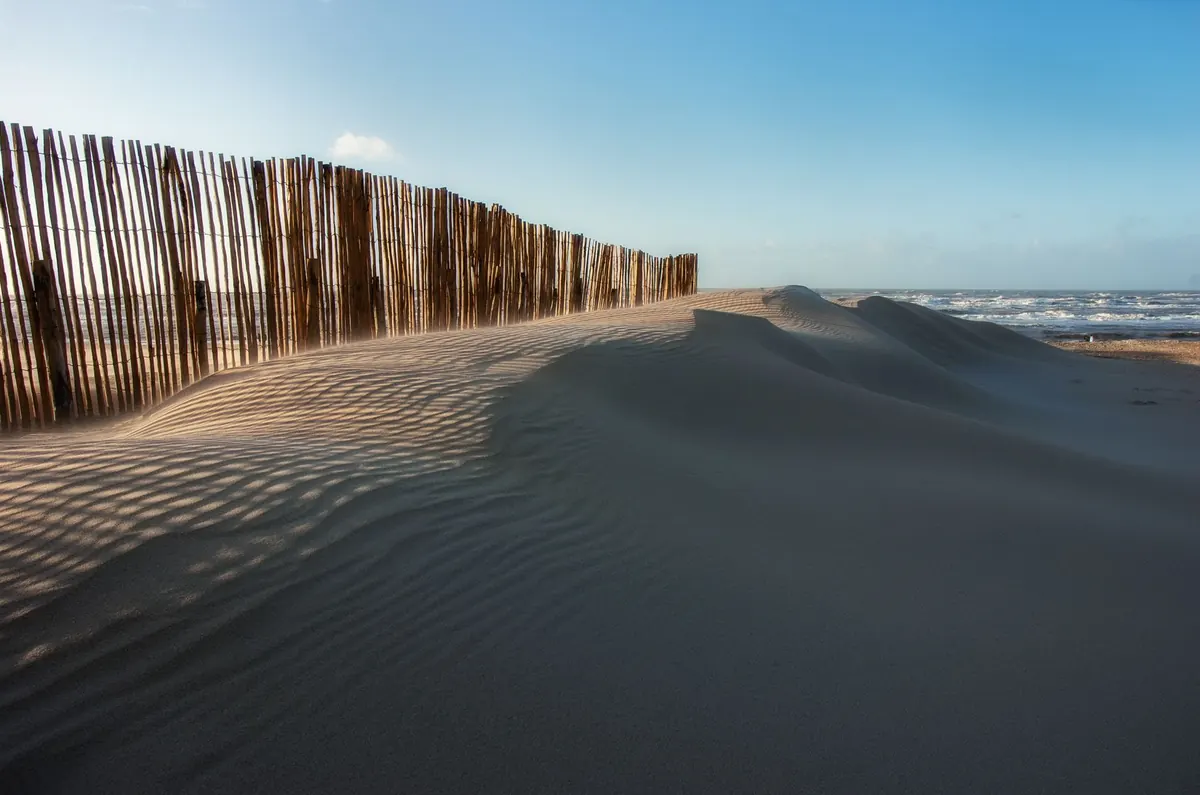
Think of fencing as steering, not blocking. Low knee-height chestnut paling or brash bundles work better than tall wire, because they read as a boundary without feeling like a barrier to be climbed. Leave deliberate gaps aligned with the car park, the café and the favourite viewpoint. Then walk the site on a busy Sunday afternoon and look at the tracks. The sand will tell you exactly where the fencing should have gone.
2. Mistaking symptoms for causes
A raw, saucer-shaped blowout looks like a trampling problem, and sometimes it is. More often the vegetation was already thinned by drought, rabbit grazing or a previous scrape, and once the surface is broken the wind does the rest. Fencing a blowout that has formed because a dune ridge was breached decades ago is a bit like bandaging a finger when the problem is the wrist.
Before ordering anything, ask three questions. Where is the sand coming from, where is it going, and what changed? If the answer is a misaligned path, a gap in the ridge or a scoured car park edge, fix that first. Fencing is a tool, not a diagnosis.
3. Planting the wrong species, or planting in the wrong order
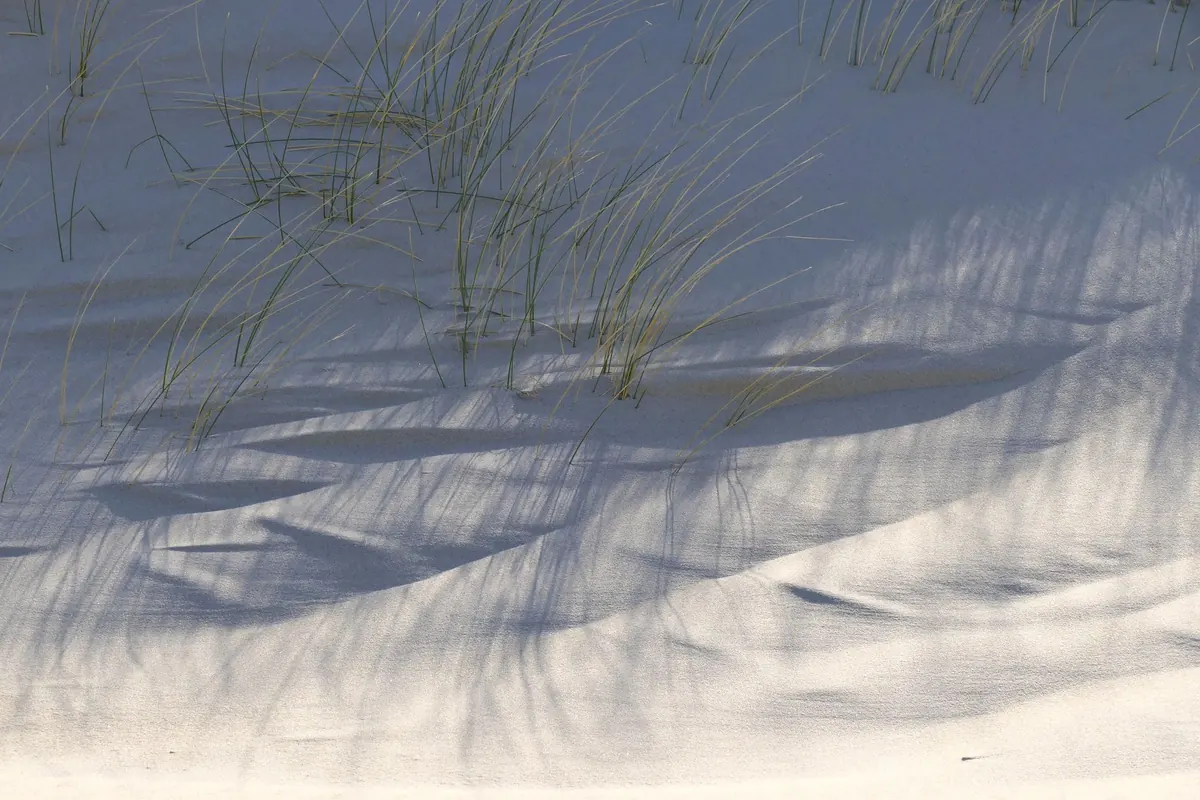
Marram planted onto a bare, scoured surface with no sand supply will sulk, then die. Dune vegetation works in zones, and the zones need to be respected:
- Strandline and foredune: sand couch, sea sandwort, oraches — the pioneers that tolerate salt spray and burial.
- Mobile dune: marram, which grows up through accumulating sand and builds the ridge.
- Fixed dune: red fescue, restharrow, kidney vetch and the low herb-rich turf that follows once the sand settles.
- Dune slack: creeping willow and wetland species, which need damp ground and will fail on a dry ridge.
The other common error is planting scrub or trees because a site "needs greening". Sea buckthorn in particular can spread hard, shade out the dune turf and change the soil. On most dune systems, bare sand and short turf are the prize, not woodland.
4. Treating the planting day as the whole project
A big volunteer planting event is wonderful for morale and photographs. It is also the easy part. The hard part is the three years afterwards: watching for rabbit grazing, checking whether the plants have rooted or just been buried, and adjusting the fencing when the sand shifts. Dry springs happen. If you have no plan for a second attempt, budget for one anyway.
5. Cutting the dunes off from their sand supply
Dunes are the downstream end of a sediment system. If the beach is starved, nothing you plant on the ridge will thrive for long. Mechanical beach cleaning that removes wrack and sand, structures that trap sediment updrift, and drained or infilled dune slacks all reduce what reaches the dune front. Restoration plans that ignore the beach are working with one hand behind their back.
6. Leaving out the people who use the place
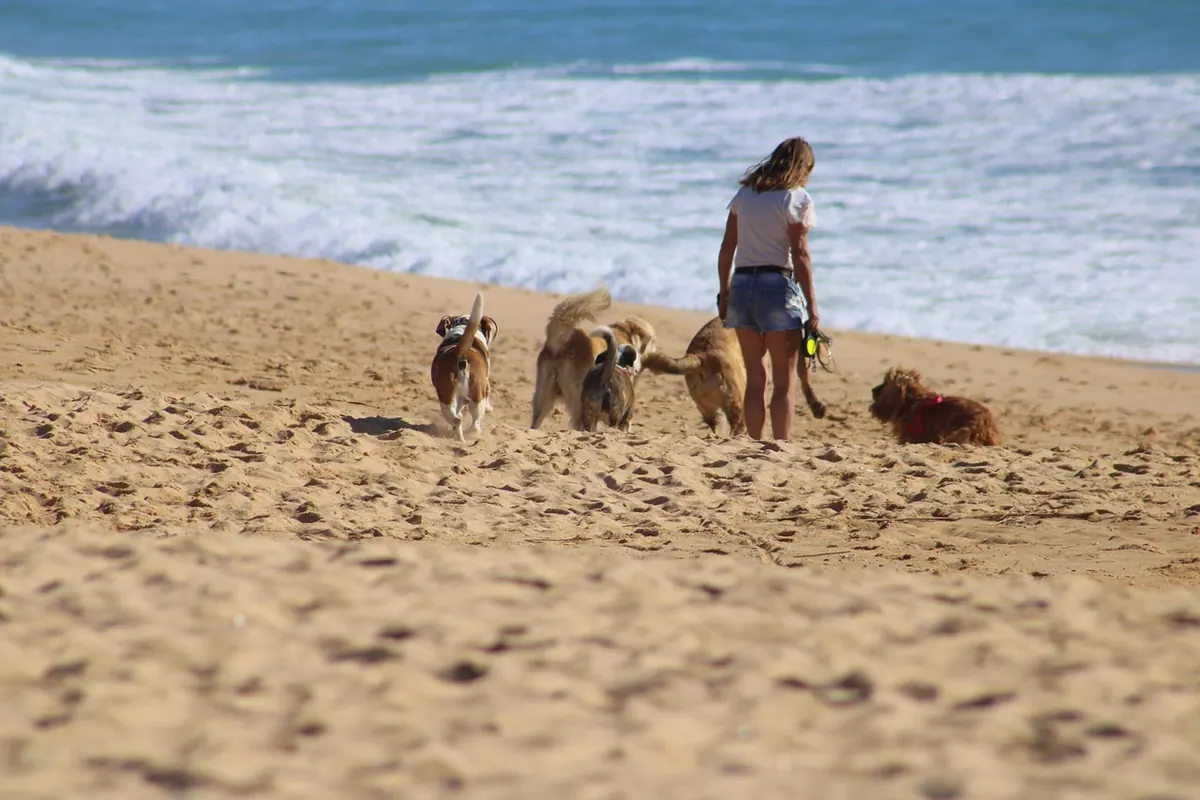
Restoration that arrives as a surprise tends to be resisted. Dog walkers, horse riders, anglers, golfers, local schools and the nearest residents all have habits built over years and knowledge built over decades. Talk to them early, show them what a functioning dune looks like and where the new route goes, and you will gain volunteer wardens rather than complaints. A short, plain sign written like a person — "This bit is rebuilding itself, please use the boardwalk" — beats a laminated list of prohibitions.
7. Assuming a green dune is a healthy dune
Fully vegetated dunes can look reassuringly tidy while quietly losing the open sand, early successional turf and bare patches that many dune invertebrates and plants require. A healthy dune system is usually a mosaic: mobile ridges, fixed grassland, damp slacks, scattered scrub and honest bare sand. If success means no sand ever moves, you have probably set the wrong target.
A practical checklist before you start
- Walk the site at a busy time and map the real desire lines in the sand.
- Identify where the sand comes from and whether that supply is intact.
- Decide what "good" looks like here — an open mosaic, a rebuilt ridge, a wet slack — and write it down.
- Match species to zone, and plant the pioneers before the stabilisers.
- Design access first, then fence around it, using the lowest structure that will do the job.
- Budget for monitoring and a second planting, not just the first.
- Bring local users in at the planning stage, not the signage stage.
Get those things roughly right and dunes are forgiving. They want to grow. Our job is mostly to stop interrupting them.
Photo: Hans Heemsbergen / Pexels