Sand dunes look static from the car park. Up close they are among the fastest-moving habitats in Britain: sand blows, slacks flood and dry out, marram pushes up new hummocks every season. Volunteers who work on them soon learn that the calendar matters as much as the tools. Do the right job in the wrong month and you can disturb nesting birds, trample orchids before they set seed, or cut back a shrub just as its berries are feeding passage migrants.
What follows is a working checklist rather than a rulebook. No two dune systems behave alike, so treat it as a base to adapt with whoever manages your site.
Spring (March to May): work around the birds
From early March, the open sand and upper beach stop being neutral ground. Ringed plover, oystercatcher and little tern nest in shallow scrapes, while skylarks and meadow pipits nest in the longer grass behind. A single walk across a shingle-sand transition can draw a predator's attention or push an incubating adult off its eggs on a cold morning.
Spring suits the jobs that make everything else easier later: refreshing waymarkers and rope fencing before the Easter rush, clearing litter from strandlines and path edges while vegetation is still low, repairing boardwalk edges, and recording where scrub is starting to spread. Mark invasive patches — sea buckthorn, Japanese rose — and return to them in autumn rather than digging now.
If you are surveying, keep to established paths and use binoculars from a distance for bird counts. Report any nest you find to the site manager rather than flagging or cordoning it yourself.
Dogs, drones and disturbance
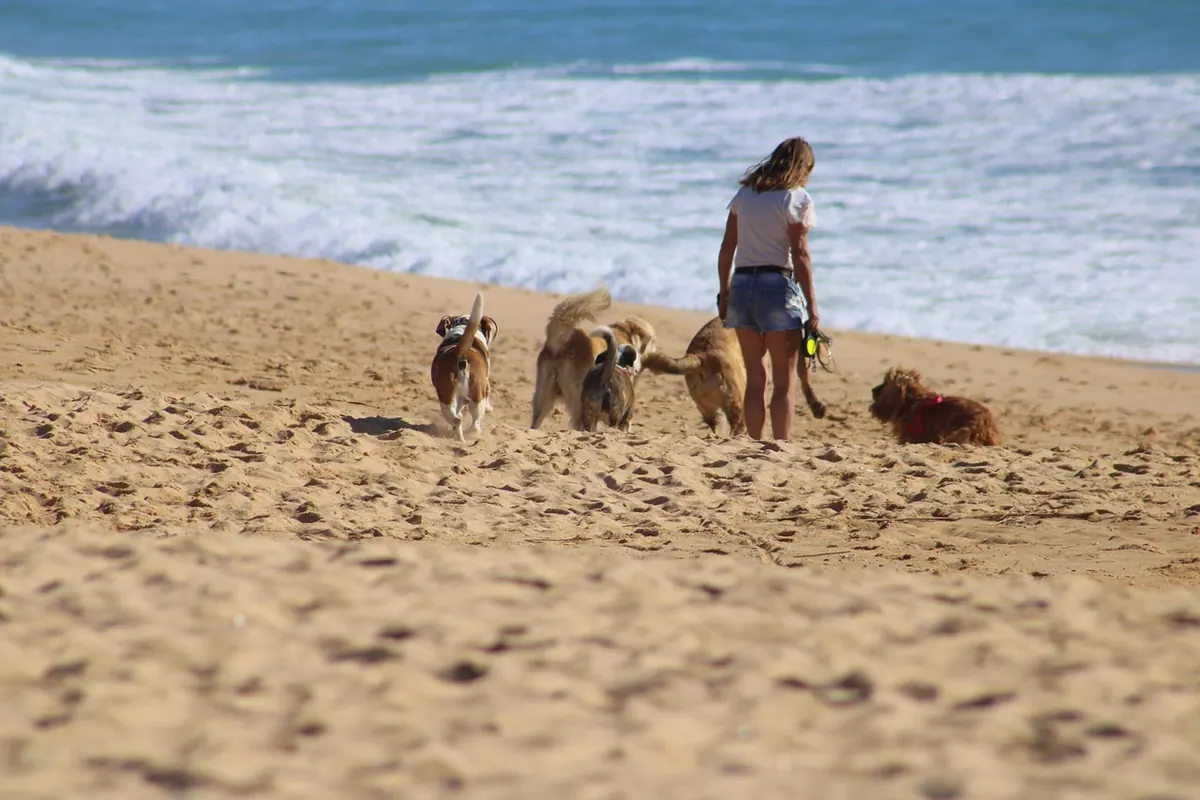
Ask owners to keep dogs on leads near the foreshore and inside any fenced area, and remind visitors that drones are a non-starter around nesting birds. A quiet word with a smile usually works better than a sign alone.
Summer (June to August): holding the line
Summer work is largely about managing pressure. Path edges wear, blowouts widen, and litter arrives faster than any group can clear it. Focus on the entrances and the desire lines that funnel people onto fragile vegetation.
- Reinforce path edges with locally sourced brash or a light scattering of cut vegetation.
- Clear litter before it is blown into the foredunes, where it is far harder to retrieve.
- Leave driftwood and strandline debris in place where you can; it shelters invertebrates and feeds the dune system.
- Watch for fire risk in dry grass, and report discarded barbecues promptly.
Hot days mean short, early sessions. Carry more water than you think you need, and stop for shade and food rather than pushing on.
Autumn (September to November): scrub, seed and survey
Once the nesting season has finished, the heavier work can start. Scrub and tree clearance is best done between October and February, outside the breeding season and while sap is down; cutting too early in autumn leaves bare ground open to winter erosion.
Autumn is also seed time. Collect from local stock only — plants growing on your own dune system, or as near as your site manager can arrange. Take a little from many plants rather than everything from one, and leave the best-flowering clumps to set seed naturally.
Useful autumn jobs
- Cut and treat regrowth on invasive shrubs, following your site's method statement.
- Collect and dry seed from marram, kidney vetch and other local dune species.
- Repeat fixed-point photographs and dune transects so that change becomes visible over years.
- Note storm damage, new blowouts and blocked slacks for winter planning.
Winter (December to February): planting and repair
Winter is planting weather. Marram set into a fenced or brash-protected area will knit sand together, and bare-rooted transplants usually establish better than seed in exposed positions. Sand fencing and thatching can buy a young dune a season of calm while it takes hold.
Avoid working in waterlogged slacks, which churn easily into mud, and keep off frozen vegetation that snaps underfoot. Cold, bright days are ideal for clearing drains, repairing steps and checking that interpretation boards are still readable.
Wildlife and safety checks for every session
Whatever the month, a few habits keep people and wildlife out of trouble.
- Ticks. Long grass and dune grassland are prime habitat. Wear long trousers tucked into socks, check yourself and your clothing afterwards, and remove any attached tick carefully with fine tweezers or a tick tool. If you develop a rash or feel unwell afterwards, seek medical advice.
- Adders. They bask on warm mornings in spring. Look before putting hands into tussocks or sitting on sandy banks, and never attempt to handle one.
- Reptiles and amphibians. Sand lizards and natterjack toads are best admired, not caught. Leave handling to trained surveyors.
- Ground-nesting birds. If an adult starts calling or displaying near you, you are too close. Back away the way you came.
- Sharps and litter. Wear gloves, and use a litter picker for anything glass or unfamiliar.
- Weather. Coastal conditions change fast. Check tide times, tell someone your plan, and carry a phone in a dry bag.
Plan your year with the site manager
Before your first task, ask three questions: what does this site need most this month, what is protected here, and what should we avoid doing? Many dunes are designated as Sites of Special Scientific Interest, and consent may be needed before cutting, digging or moving sand — so agree the plan before anyone lifts a spade.
Then write the season down and pin it up. A simple wall chart — birds in spring, visitors in summer, scrub and seed in autumn, planting and repair in winter — keeps a volunteer group coherent and gives newcomers a reason for standing on a windy Saturday in February. Work to the calendar and the dunes will do the rest.
Photo: kalyanayahaluwo / Pixabay