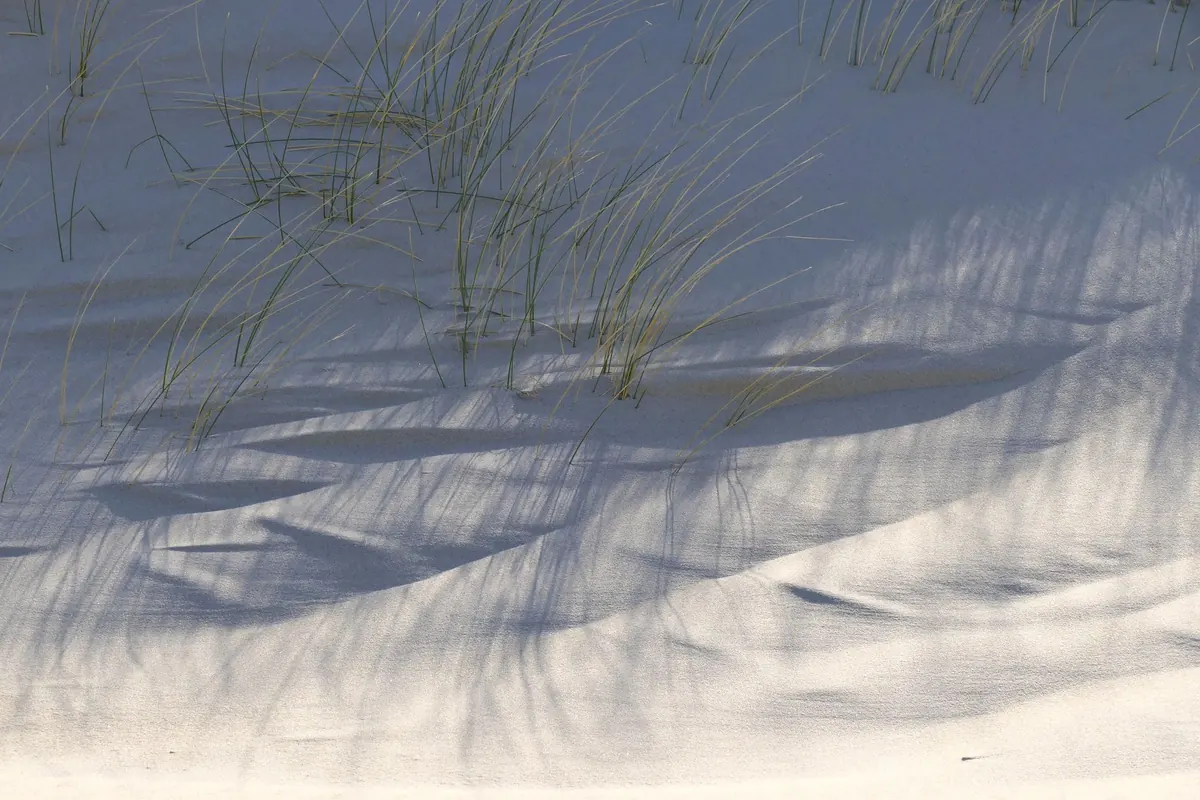
Britain's coastal dunes are odd, half-formed places: part land, part beach, built by wind and held together by grass. A dune system can change shape in a single winter, and the whole habitat exists only because marram grass and a few other stubborn plants keep catching sand as it blows inland. Dunes are also among our most threatened habitats, squeezed between a rising sea and hard coastal defences, and quietly swallowed by scrub. They respond quickly to care, though. Here is how they work, what is going wrong, and what you can do about it, whether you have a free Saturday or just a pair of boots.
How a dune forms, and why every stage matters
A dune system is a sequence, and the sequence is the point. Each stage creates the conditions for the next, which is why conservationists tend to talk about the whole thing rather than only the rare plants at the far end of it.
- Embryo dunes. Sand couch, sea rocket and a handful of other pioneers trap the first grains just above the tideline. They are low, loose and extremely easy to trample.
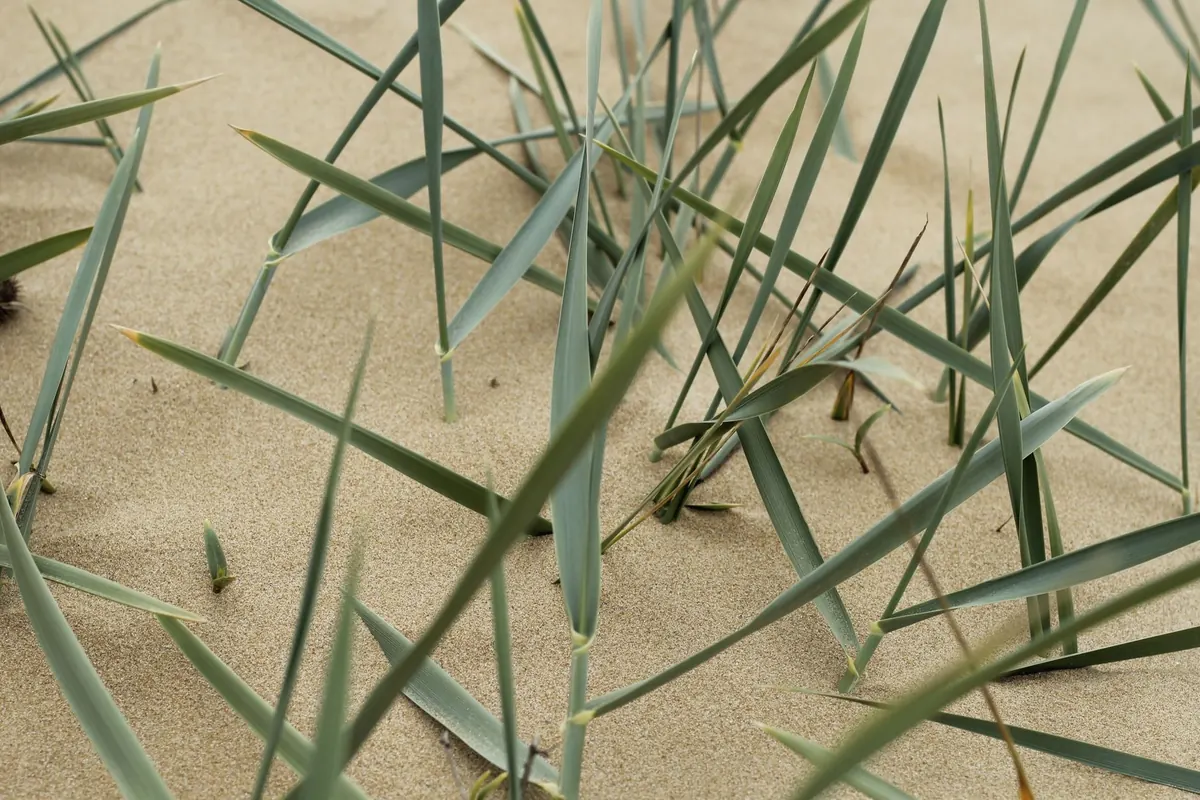
- Yellow dunes. Marram grass takes over, growing up through the sand as it accumulates and knitting the dune together with deep roots. This is the seaward face most people picture as "the dunes", and it is the most fragile part of the system.
- Fixed dunes. Once the sand stops moving, mosses, lichens and wildflowers move in. Grey dunes, named for their lichen crust, can hold dozens of plant species in a square metre.
- Dune slacks. Damp hollows where the water table reaches the surface. Often the richest and rarest parts of a system, with natterjack toads, marsh helleborine and, in a few places, fen orchid.
- Dune heath and scrub. Older, more stable ground. A little scrub gives shelter and nesting cover; too much shades out everything beneath it.
The later stages are not better than the earlier ones. A healthy dune system contains all of them at once, in a shifting mosaic, which is why grazing, cutting and even deliberately moving sand are all legitimate tools.
Machair: Scotland's version
On the western coasts of Scotland, shell-rich sand produces machair: low, flower-filled grassland farmed by crofters and known for corncrake and breeding waders. It looks gentle and permanent, but it depends on continuous low-intensity farming, and it thins out quickly under grazing that is either too heavy or too light.
The pressures British dunes face
Most dune loss is not dramatic. It is a slow accumulation of small changes.
- Coastal squeeze. As sea levels rise, dunes would naturally roll inland. Sea walls, caravan parks, golf courses and housing block the way, so the habitat is squeezed from both sides.
- Scrub encroachment. With fewer rabbits and less grazing, sea buckthorn and other scrub spread and shade out the open dune.
- Invasive plants. Japanese rose forms dense thickets that crowd out native vegetation, and it is a regular target for removal teams.
- Nutrient enrichment. Nitrogen from traffic and farming acts like a fertiliser, favouring coarse grasses over the wildflowers that need poor, sandy soils.
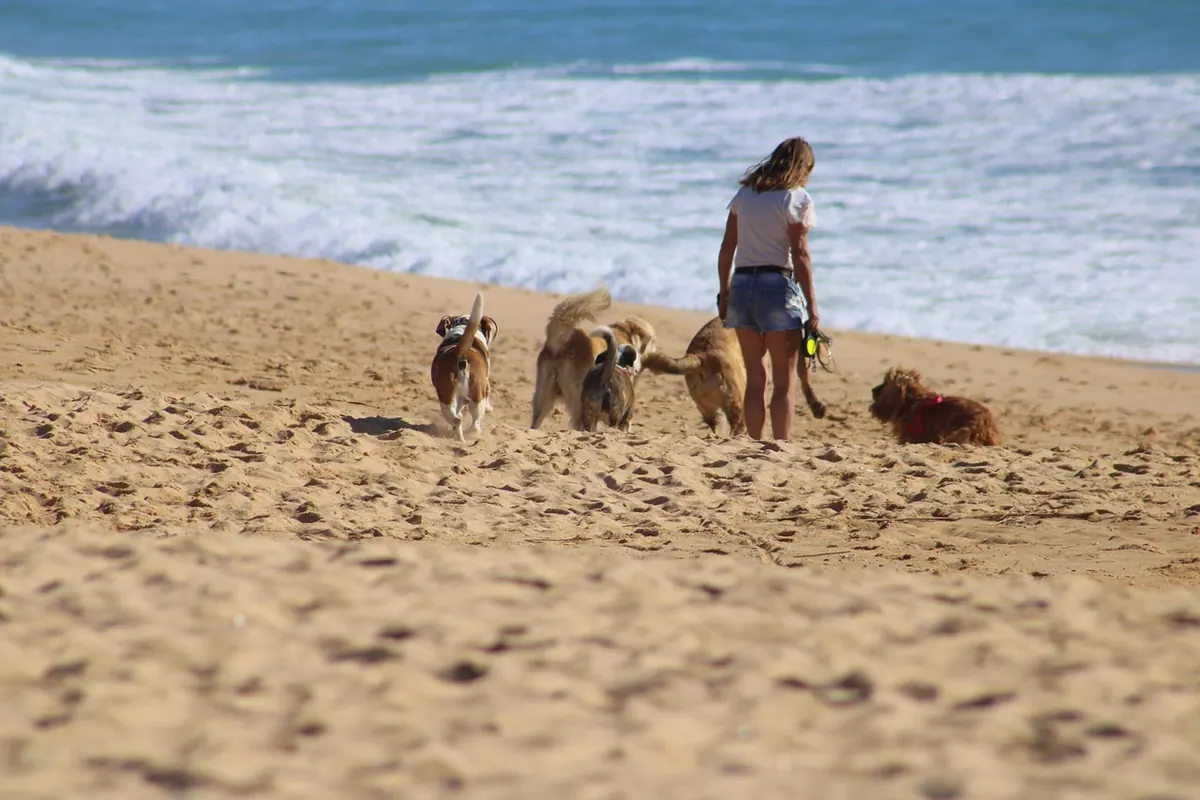
- Trampling and disturbance. Every footstep on an embryo dune breaks the plants holding it in place, and dogs off the lead in spring disturb ground-nesting birds such as skylark and meadow pipit.
- Fires, litter and fly-tipping. Dune vegetation burns easily in a dry spell, and rubbish left behind attracts predators and eventually smothers ground cover.
What practical conservation looks like
Dune management often looks like undoing something: removing a species that has taken over, or restoring the disturbance that used to be natural.
Grazing and cutting
Cattle, sheep and hardy ponies on a dune are not a nuisance; they are the management. Light grazing keeps coarse grasses in check, opens up bare ground for seeds to germinate and produces the uneven structure that insects and lizards need. Where animals are not practical, cutting and raking does part of the job.
Removing what should not be there
Sea buckthorn and Japanese rose are cut, treated and often dug out by the root, then the ground is monitored for years afterwards. It is slow work, but the response of dune flowers once the light returns can be striking.
Helping people and dunes coexist
Fencing, boardwalks and clearly defined paths protect the fragile seaward face while still letting people reach the beach. Sand fencing also traps blowing sand and rebuilds a dune that has been eroded. None of it works without signage, because visitors cannot avoid damage they cannot see.
Volunteering: what you would actually be doing
Task days vary enormously, and you do not need any experience or your own tools. Expect a briefing, a safe working method and a brew. Typical jobs include:
- Planting marram and sand couch on bare sand, usually in winter.
- Building and repairing dune fencing, or moving it as the dune shifts.
- Cutting and clearing scrub with hand tools and bow saws.
- Raking and removing cut vegetation so it does not enrich the soil.
- Litter picking, and clearing the fire pits that scorch the turf.
- Survey work: fixed-point photography, quadrats, plant and butterfly counts, or seed collecting.
To find something near you, start with your county Wildlife Trust, the National Trust, Plantlife, your council's countryside rangers, or a local sand dune and machair partnership. Coastal clean-up groups often know who is working on the dunes behind the beach. Wear sturdy boots, long sleeves and gloves, bring water, and mention any medical conditions to the task leader before you start.
Visiting dunes well
You do not need to join a task day to make a difference. Keep to paths and boardwalks, especially on the seaward face, and walk around bare sand rather than across it. Keep dogs on a lead from spring through summer, when ground-nesting birds and young animals are at their most vulnerable. Pick no flowers, take all litter home, and do not light fires or disposable barbecues. Dunes are also tick habitat, so check yourself afterwards and speak to a GP if you later feel unwell. Check tide times before walking to remote stretches of beach, and treat steep, eroding dune faces as the unstable ground they are.
Getting started
Find the nearest dune system to you and work out who manages it. Join one task day, even a short one, and you will learn more in three hours than in three articles. If practical work is not for you, record what you see using iRecord or your local records centre, photograph the same view each year from the same spot, and support the groups campaigning for space for dunes to move inland. Coastal dunes are dynamic by nature; with a little help, they can keep shifting, rebuilding and thriving long after we have gone.
Photo: FATMA AKGÜN / Pexels